
Employers’ Confederation of Thailand
Tel 02-385-7177
Fax 02-385-8577
NEWS & ACTIVITY










หมวด : ข่าวทั่วไป
28
อ่านแล้ว 19 ครั้ง
ECOT President Leads Delegation in Meeting with ILO Director-General, Emphasizing That “Business Growth and Workers’ Quality of Life Must Advance Together”

28 August 2026
ECOT President Leads Delegation in Meeting with ILO Director-General, Emphasizing That “Business Growth and Workers’ Quality of Life Must Advance Together”
ECOT President Leads Delegation in Meeting with ILO Director-General, Emphasizing That “Business Growth and Workers’ Quality of Life Must Advance Together”
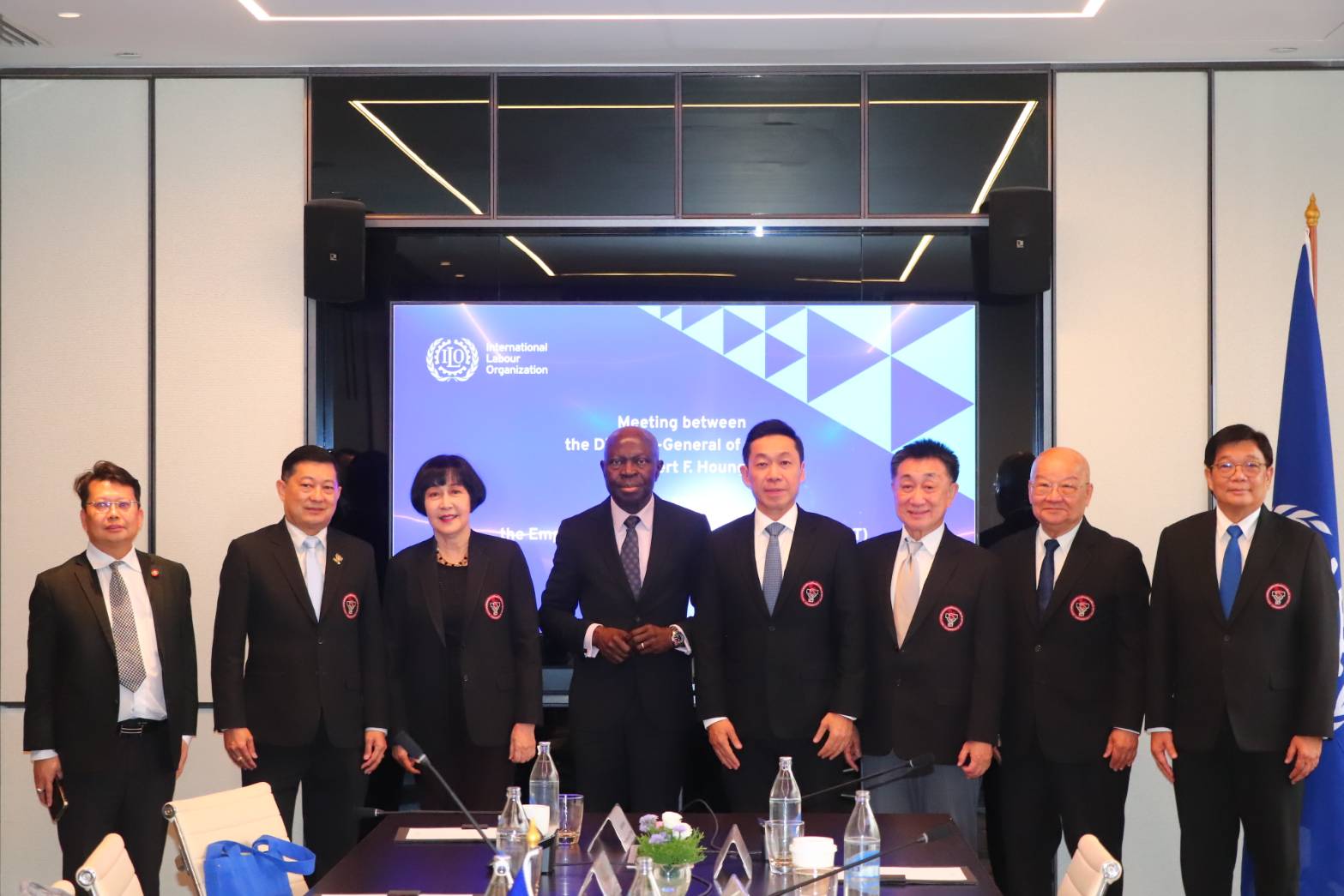
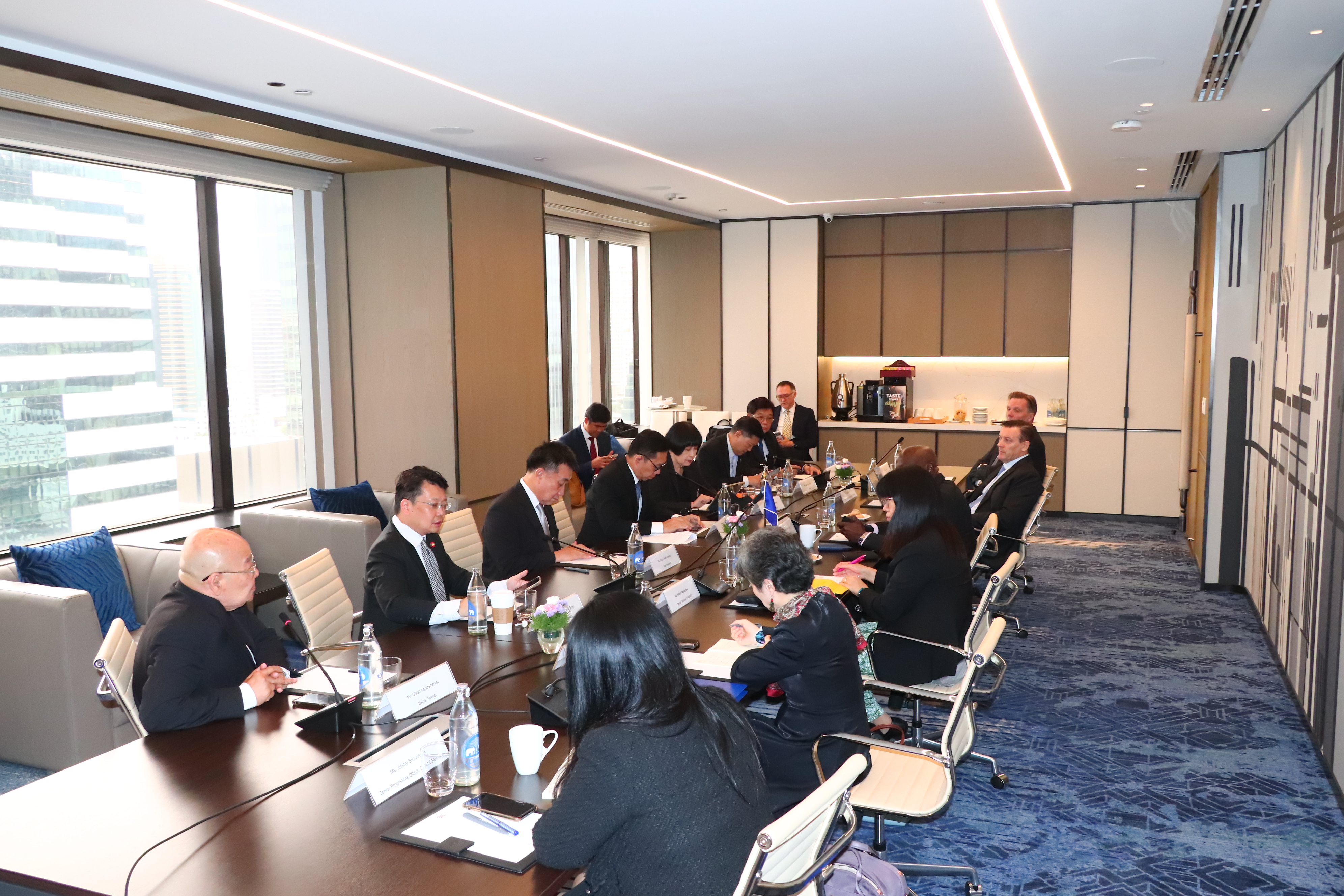
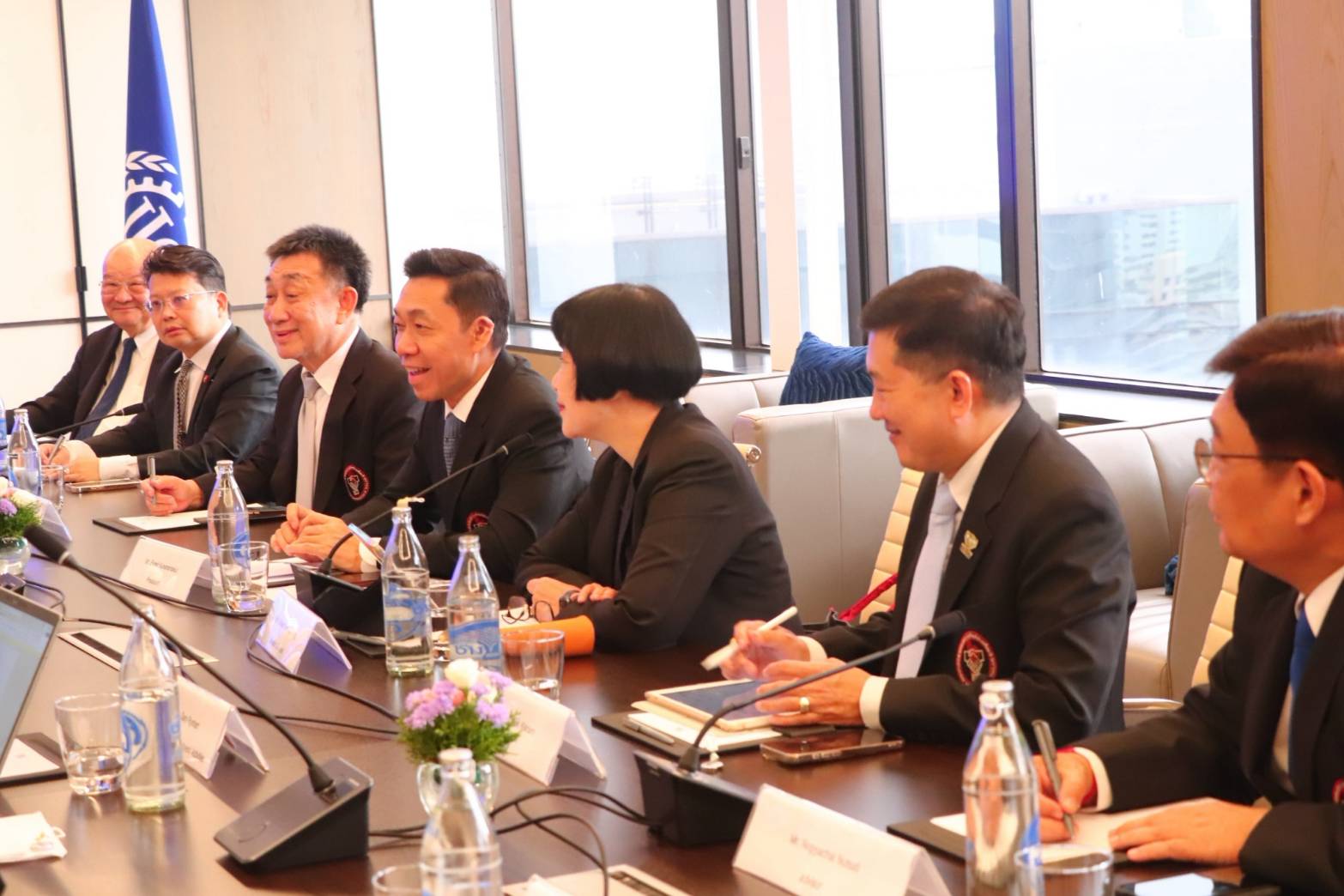
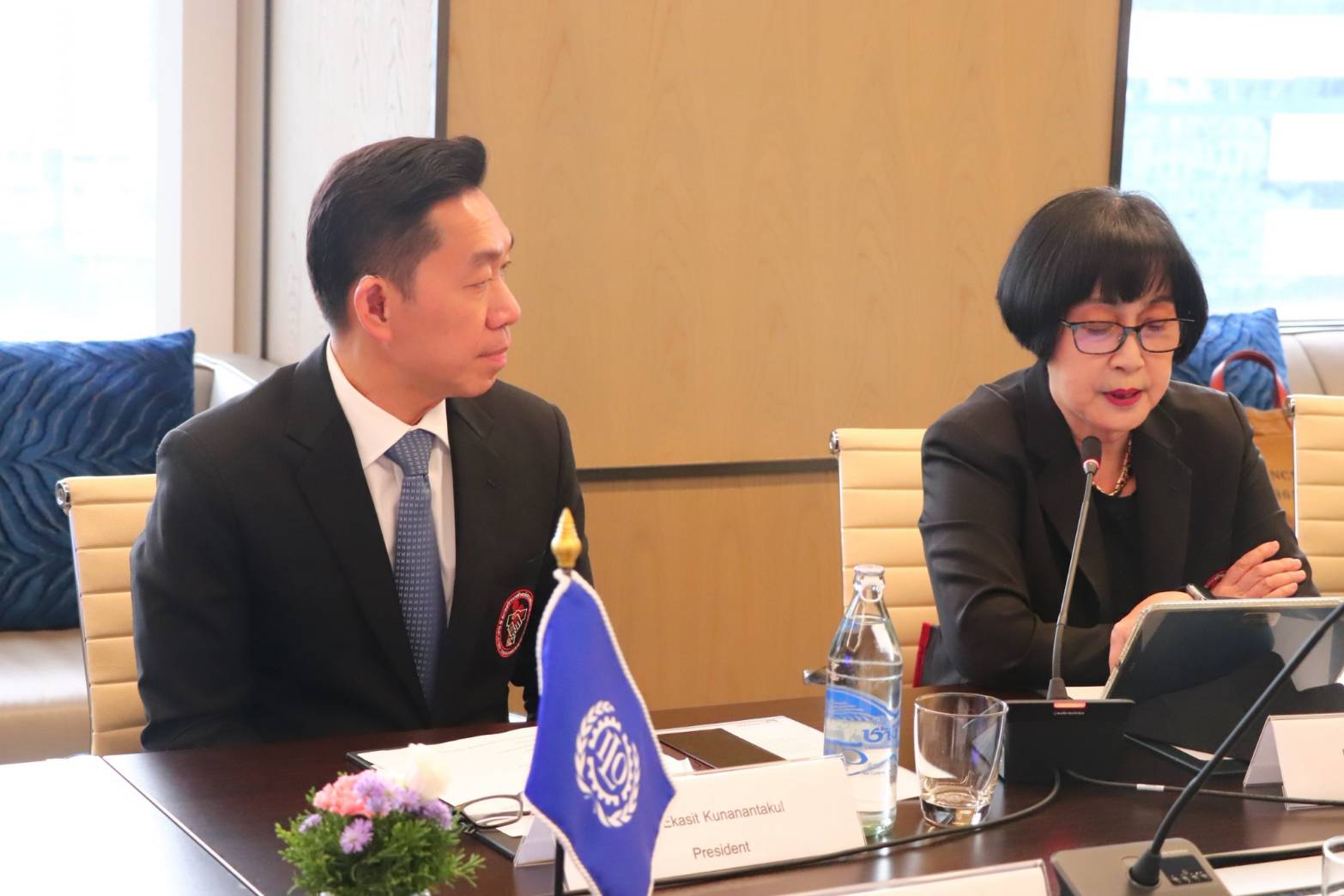
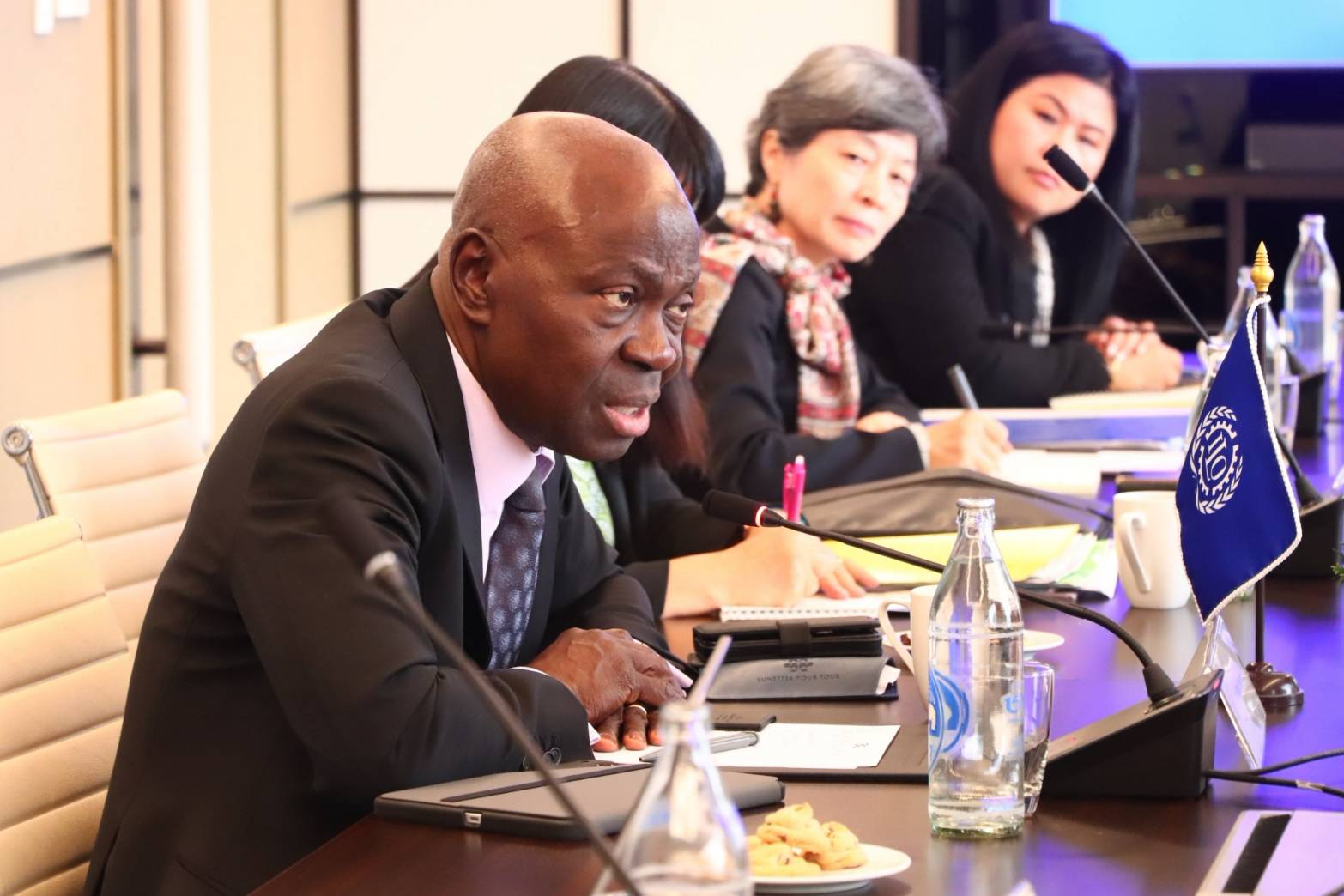
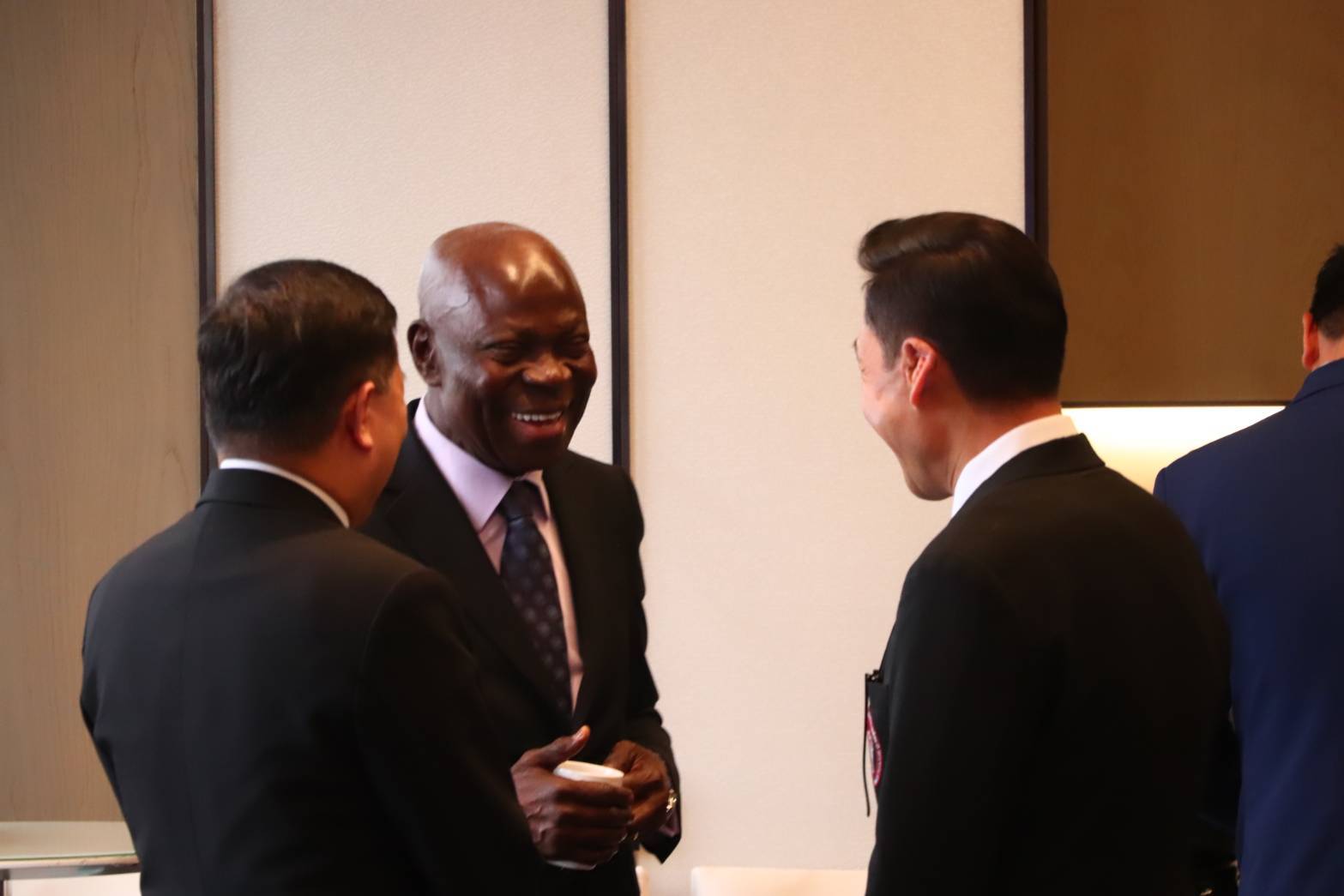
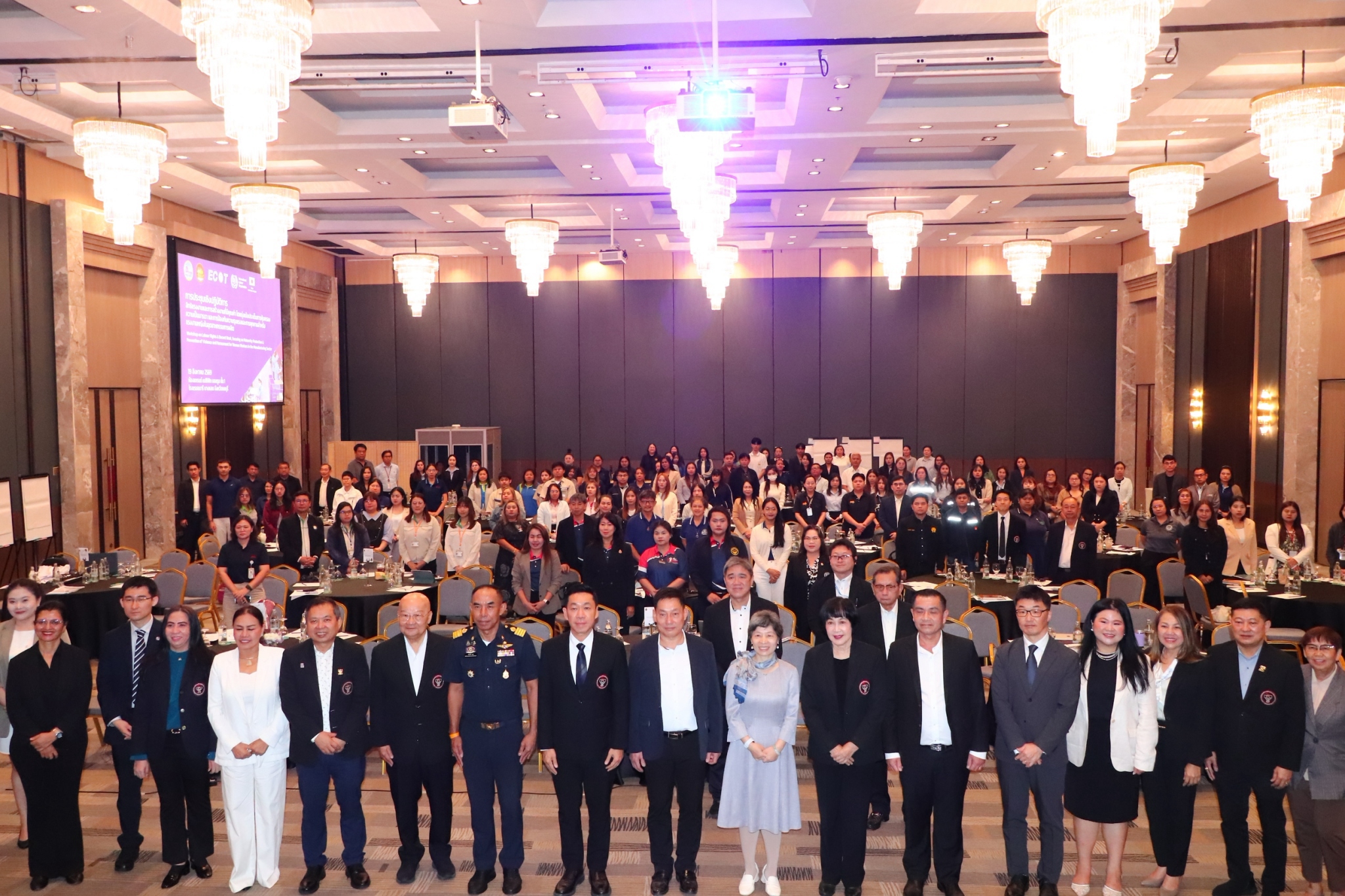
On 25 August 2026, Mr. Eksit Kunanantakul, President of the Employers’ Confederation of Thailand (ECOT), led an ECOT delegation in a meeting with Mr. Gilbert F. Houngbo, Director-General of the International Labour Organization (ILO), together with representatives of the ILO, at the Crowne Plaza Bangkok Lumpini Park, Bangkok.
The ECOT delegation comprised Dr. Sopon Pornchokchai, Vice President of ECOT; Mrs. Siriwan Romchatthong, Secretary-General of ECOT; Acting Sub-Lt. Dr. Thanes Sorat, ECOT Committee Member; Mr. Ukrit Kanjanakate, Senior Advisor to ECOT; and Mr. Bowornsak Klahan and Mr. Noppachai Nuttasati, Advisors to ECOT.
The meeting provided an opportunity to exchange views on the changing world of work, the platform economy, technology and AI, international labour standards, as well as Thailand’s preparations for OECD membership, FTA negotiations, and trade measures increasingly linked to labour standards and responsible business conduct.
Mr. Eksit Kunanantakul, President of ECOT, shared his perspective on the direction of the world of work, stating:
“The world of work is changing, but business growth and workers’ quality of life must advance together.”
Businesses today are facing not only economic competition, but also the need to adapt to technology and AI, new forms of employment, the platform economy, labour and skills shortages, labour mobility, as well as labour standards and responsibilities across supply chains, all of which are becoming increasingly important to trade and investment.
At the same time, Thailand is rapidly becoming an ageing society. This is not only a social issue, but also a major economic and labour market challenge. A shrinking working-age population will have direct implications for production, labour shortages, the social security system, and the country’s overall competitiveness.
Thailand therefore needs to move forward on several fronts simultaneously by raising productivity, developing workforce skills, making appropriate use of technology, enabling older persons who remain capable and willing to continue working, and managing migrant labour in a systematic manner.
The ECOT President stressed that, in a rapidly changing world, the key challenge should not be framed as a choice between “worker protection” and “business competitiveness.” Rather, the goal should be to ensure that both can move forward together.
Workers should be treated fairly, with dignity, opportunities for skills development, and appropriate social protection. At the same time, employers need a business environment that enables them to adapt, invest, increase productivity, and create jobs.
With regard to platform workers and new forms of work, worker protection should be developed alongside the preservation of flexibility in terms of working time, workplace, and work arrangements. Platform workers are diverse, including those who depend on platform work as their primary occupation and those who use it as supplementary income. Regulations should therefore reflect these different working arrangements.
The meeting also discussed the need to strengthen social protection systems so that they can better support workers operating across multiple platforms, as well as the importance of transparency in the use of algorithms that may affect access to work, income, and account suspension. The ILO proposed that Thailand, together with its social partners, consider conducting a Gap Analysis to assess legal preparedness and identify gaps in relation to emerging platform labour standards.
On AI, the ECOT President noted that the key question is not simply how many jobs technology may replace, but rather how technology can be used to increase productivity, create new forms of employment, and prepare workers with the skills needed to work alongside technology.
Thailand’s AI-related laws and policies should therefore draw lessons from international experience while being carefully designed to suit the country’s own context. They should enable businesses to use AI to enhance competitiveness while ensuring appropriate worker protection and avoiding excessive burdens, particularly for SMEs.
Regarding Thailand’s preparations for membership in the Organisation for Economic Co-operation and Development (OECD), the meeting exchanged views on the growing importance of labour issues, business and human rights, and Responsible Business Conduct in relation to trade, investment, and access to international markets, including FTA negotiations and trade measures linked to labour standards.
The discussion also covered the establishment of a National Contact Point under the OECD Guidelines, the development of Thailand’s National Action Plan on Business and Human Rights, and international labour standards, including ILO Conventions Nos. 87 and 98 concerning freedom of association and collective bargaining.
Mr. Eksit also emphasized the importance of supporting SMEs in adapting fairly to new standards. He proposed the development of a “mentoring” system linking large companies with SMEs to help raise standards across supply chains without imposing excessive costs and burdens that could undermine their competitiveness.
At the same time, amid continuing economic challenges, labour-related measures must take into account workers’ quality of life, the ability of businesses to sustain employment, and the survival of enterprises, particularly SMEs, which generally face greater resource and cost constraints than larger companies.
With regard to migrant labour, which remains an important part of Thailand’s economy, the country needs an efficient and fair system that respects workers’ rights while remaining aligned with the genuine labour needs of businesses.
Mr. Eksit stated that one of the key messages from the meeting was that job creation and worker protection should not be viewed as competing objectives. Rather, they should form part of economic and labour policies that move in the same direction.
The employer community stands ready to contribute to achieving this balance and to work with the ILO, the government, and workers’ representatives, not only through consultation and the sharing of views, but also as partners in translating principles into practical implementation.
Ultimately, the goal is not simply to have sound labour laws or standards, but to ensure that workers enjoy a good quality of life, businesses are able to grow and remain competitive, and the Thai economy can stand strong amid a rapidly changing world.
NEWS & ACTIVITY


Employers’ Confederation of Thailand
Tel : 0-2385-7117
Fax : 0-2385-8577